Spec Battle: Hp Omnibook 7 14 Inch 2025 vs Gravastar Mercury K1 — Is It Worth Upgrading?
Deciding whether to upgrade a laptop often comes down to a mix of raw specifications, real-world ergonomics, and how well a device matches daily workflows. This comparison pits two headline-grabbing releases — the HP Omnibook 7 14 Inch (2025) and the Gravastar Mercury K1 — against each other to help buyers determine if an upgrade makes sense. The goal is to go beyond benchmark numbers and evaluate how each machine performs in common use cases such as office work, content creation, travel, and entertainment.
Introduction: Who Are These Machines For?
The HP Omnibook 7 14 Inch (2025) positions itself as a mainstream ultraportable aimed at professionals and students who prioritize a balance of portability, decent performance, and reliable battery life. It targets users who want a capable daily driver for web browsing, office suites, light photo/video editing, and frequent travel.
The Gravastar Mercury K1 takes a slightly different tack. Marketed toward creative users and buyers who value distinctive design and tactile feedback, the Mercury K1 emphasizes a compact footprint, a responsive keyboard experience, and strong multimedia features. It aims to attract those who want a little more personality in their hardware without sacrificing productivity.
Detailed Product Analysis
Design and Build Quality
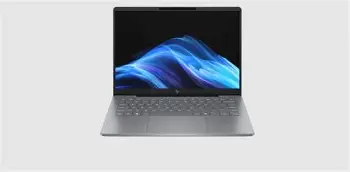
The Omnibook 7 follows HP's recent design language: subdued, corporate-friendly lines, and lightweight materials intended for daily carry. The chassis generally prioritizes a low weight and a hinge that opens easily with one hand. Port selection tends to include a balanced set of USB-C ports with at least one full-size USB-A and a microSD or full-size SD slot on some configurations.
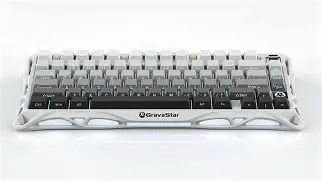
The Gravastar Mercury K1 is often described as having a more characterful aesthetic — sharper accents, possibly two-tone finishes, and an emphasis on surface texture. The Mercury K1's build may favor a slightly denser feel that communicates durability, and the keyboard is usually tuned for a tactile, satisfying press. Buyers who handle their machine on a desk most of the time may prefer the Mercury's premium-feel surfaces, while frequent travelers might favor the Omnibook's lighter footprint.
Display and Visuals
Both machines are offered with 14-inch displays, but buyers should compare panel options. The Omnibook typically offers configurations ranging from energy-efficient FHD panels to brighter, higher-resolution options with improved color coverage for creators. The default panels aim for good legibility and battery efficiency for long work sessions.
The Mercury K1 often bucks the "safe" approach by offering punchier panels with higher color saturation and sometimes higher refresh rates aimed at smoother on-screen motion. This is valuable for creators and multimedia consumers, although it can come at the cost of reduced battery life on more vivid or higher-refresh displays.
Performance (CPU, GPU, and Real-World Use)
Performance will largely depend on chosen configurations. The Omnibook 7 is designed around balanced CPU choices intended to deliver snappy responsiveness in productivity tasks and moderate creative workloads. It typically places emphasis on thermals tuned for consistent sustained performance rather than brief peak scores.
The Mercury K1's positioning hints at slightly more aggressive tuning in performance-oriented modes and configurations. This can translate to stronger short-burst performance useful in tasks like batch photo exports, compiling code, or multi-tab browsing with many background processes.
Discover deals on Laptops & Computers — updated daily.
View Offers →For most buyers, common workflows such as document editing, web conferencing, and streaming will feel smooth on either machine. Those who edit high-resolution video or run specialized modeling or simulation workloads should focus on higher-tier configurations and consider external GPU or desktop-class alternatives depending on demands.
Battery Life and Charging
Battery life is one of the most practical considerations. The Omnibook 7 typically targets all-day battery life under mixed usage, favoring more conservative panel brightness and power management. Fast-charging support is commonly available, letting users top up quickly between meetings.
The Mercury K1, with its more vivid displays and sometimes more aggressive performance tuning, may show shorter endurance on equivalent workloads — especially on configurations with higher refresh rates or brighter panels. Buyers who prioritize screen quality and multimedia performance should weigh that trade-off against battery expectations.
Thermals and Noise
Ultraportables must balance thermals with noise. HP tends to focus on cooler operation with quieter fans under moderate loads, which benefits users in quiet environments like libraries or meetings. The Omnibook's thermal solution aims for a lower noise floor while sustaining reasonable performance.
The Gravastar Mercury K1 could run warmer under load if tuned for higher performance, which may result in more audible fan noise during intensive tasks. Users who often push to sustained heavy loads should test real-world thermal behavior before committing, or look for configurations with improved cooling options if offered.
Keyboard, Trackpad, and Webcam
Input devices are where the Mercury K1 often shines: a tactile keyboard, solid travel, and a satisfying typing feel that benefits writers and developers. HP's Omnibook 7 typically offers a comfortable, reliable keyboard optimized for accuracy and low travel, with an emphasis on productivity ergonomics.
Trackpads across both devices are generally responsive; however, the Mercury K1 may emphasize a more premium glass trackpad and slightly larger palm-rest area. Webcam quality is similar across many modern 14-inch machines — adequate for video calls but rarely outstanding; buyers who prioritize camera clarity should inspect sample footage or consider an external webcam.
I/O and Expandability
Both laptops aim to include a practical set of ports. The Omnibook 7 often balances legacy ports (USB-A, HDMI) with modern USB-C charging and data. The Mercury K1, depending on its design focus, may offer additional high-bandwidth ports and perhaps a focus on audio connectivity for creators.
Upgradability is limited on most thin-and-light 14-inch designs. RAM is frequently soldered in both devices at lower tiers, with some storage upgrade options depending on internal layout. Serviceability varies by model; prospective buyers who want long-term upgradability should verify the exact configuration they intend to buy.
Shop the latest Laptops & Computers picks on Amazon.
View Offers →Pros & Cons
HP Omnibook 7 14 Inch (2025)
- Pros: Lightweight and compact for frequent travel; solid battery life for mixed-use days; conservative thermal tuning for quieter operation; reliable, business-friendly design and port selection.
- Cons: Display options may prioritize efficiency over color accuracy; less characterful design; high-end performance configurations can be more conservative compared with gaming or creator-focused rivals.
Gravastar Mercury K1
- Pros: Distinctive design and premium-feel keyboard; strong multimedia and display options for creators; potentially higher short-burst performance in tuned configurations.
- Cons: Vibrant display and performance tuning can reduce battery life; thermals may run warmer and noisier under sustained load; configurations and serviceability need close review for long-term upgrades.
Side-by-Side Comparison
| Category | HP Omnibook 7 14 Inch (2025) | Gravastar Mercury K1 |
|---|---|---|
| Design | Conservative, lightweight, travel-friendly | Stylish, textured finishes, desk presence |
| Display | Balanced panels with efficiency focus | Punchy panels, higher color saturation options |
| Performance | Consistent sustained performance for productivity | Stronger short-burst performance in tuned modes |
| Battery | Longer mixed-use battery life | Shorter endurance on vivid/higher-refresh panels |
| Thermals & Noise | Quieter, cooler under moderate loads | Can be warmer and louder under heavy use |
| Keyboard & Trackpad | Comfortable, work-focused | Tactile, premium typing experience |
| Ports & Expandability | Balanced I/O; typical limited upgradability | Potentially more creator-focused I/O; check storage options |
| Best For | Frequent travelers, students, office professionals | Creative users, multimedia consumers, desktop-replacement seekers |
Real-World Use Cases: Which Machine Fits Which Buyer?
Students and Mobile Professionals
Students and mobile professionals who attend classes, meetings, and travel between locations will likely appreciate the HP Omnibook 7's lighter weight and quieter fan profile. Its focus on battery life and practical port selection means fewer adapters and more reliable all-day performance for note-taking, presentations, and cloud-based workflows.
Content Creators and Multimedia Consumers
The Gravastar Mercury K1 tends to appeal more to creators who value a vivid panel and a tactile keyboard for long editing sessions. If color accuracy and a punchy display are vital — for photography, streaming, or design previews — the Mercury K1 may offer configuration choices that better match those needs. The trade-off is generally shorter battery life and potentially louder cooling under load.
Hybrid Workers and Video Conferencing
Both machines handle video conferencing well, but the Omnibook's quieter thermal profile and emphasis on battery efficiency make it slightly better for long back-to-back meeting days. If a user prioritizes webcam fidelity and microphone pickup, verifying the exact configuration is important — neither brand is guaranteed to be exceptional at default camera/audio without checking samples.
Developers and Power Users
Developers who compile code, run containers, or keep many local services running should pay attention to sustained performance and thermals. The Mercury K1 could be preferable if short-term performance bursts are important, but heavy, sustained loads might benefit from a laptop with stronger cooling or a small desktop workstation instead.
Buying Guide: How to Decide if an Upgrade Is Worth It
Evaluating an upgrade requires balancing tangible improvements against cost, disruption, and how the device will be used day to day. Use this checklist to make a decision:
- Identify the pain points: Is the current device slow in the tasks you do most? Does battery life force constant charging? Is the keyboard or display causing friction?
- Match features to workflows: If portability and battery are paramount, prioritize the Omnibook 7. If display quality and typing feel are central, the Mercury K1 may be the better fit.
- Consider lifespan and upgradability: Look at warranty terms, serviceability, and whether key components (storage, RAM) can be upgraded or are soldered.
- Test real-world performance: Read or watch reviews that include sustained workloads and battery loop tests. Benchmarks help, but daily performance and thermal behavior matter most.
- Inspect ports and accessories: Ensure necessary ports (USB-A, HDMI, SD card) are present or accounted for with dongles. Confirm charging options and whether power bricks are portable enough for travel.
- Factor total cost of ownership: Consider bundled warranties, extended service options, and any required accessories when comparing prices.
- Wait for seasonal deals or config changes: New model years or sales can make an upgrade more attractive; conversely, the previous generation often sees price drops that deliver similar value.
Triage Questions to Ask Before Buying
- How many hours per day will the laptop be used unplugged?
- Are there specific applications (video editing, 3D, virtualization) that require more CPU/GPU power?
- Is keyboard travel and feel a deciding factor for daily comfort?
- Does the buyer prioritize a neutral, professional aesthetic or a machine with character and personality?
- Does the buyer plan to keep the machine for 3–5 years and need easy repairability/upgrades?
Conclusion
Choosing between the HP Omnibook 7 14 Inch (2025) and the Gravastar Mercury K1 ultimately comes down to priorities. The Omnibook 7 is the safer bet for buyers who prioritize portability, balanced battery life, and a quiet, dependable experience for everyday productivity. The Gravastar Mercury K1 will appeal to users who want a more expressive design, a premium typing feel, and stronger multimedia presentation, accepting shorter battery life and potentially louder thermals as the trade-offs.
For most users upgrading from a three-to-five-year-old laptop, both machines represent meaningful improvements in display quality, connectivity, and performance efficiency. The deciding factor should be which sacrifices are palatable: longer battery life and quieter operation (Omnibook) versus a more engaging display and keyboard with bolder design choices (Mercury K1). Buyers are encouraged to evaluate specific configurations, test units in person if possible, and prioritize the features that solve their current frustrations — that practical fit is what makes an upgrade truly worth it.